Kashimadai Shrine
Kami have been worshipped here for 1,200 years. This page keeps what the records show apart from what the shrine tradition says.
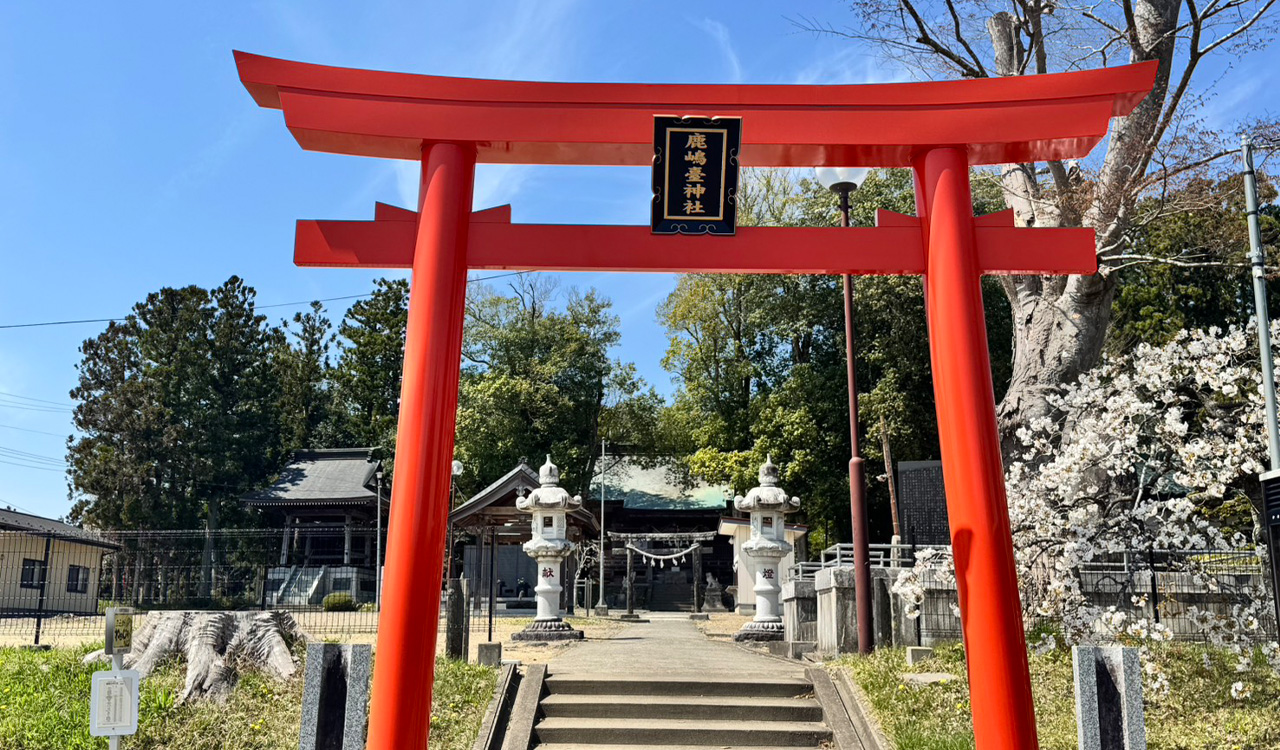
1,200 years of worship
Kami (the gods and spirits of Shinto) have been worshipped at Kashimadai Shrine for 1,200 years.
The shrine stands in Hironaga, Kashimadai, Ōsaki City, Miyagi. "Kashimadai" was first the name of a small area of Hironaga village: the hill where the Kashima kami was enshrined.
The main kami is Takemikazuchi, the kami of the old Kashima Shrine that stood here.
1775: a record of Kashima-sha
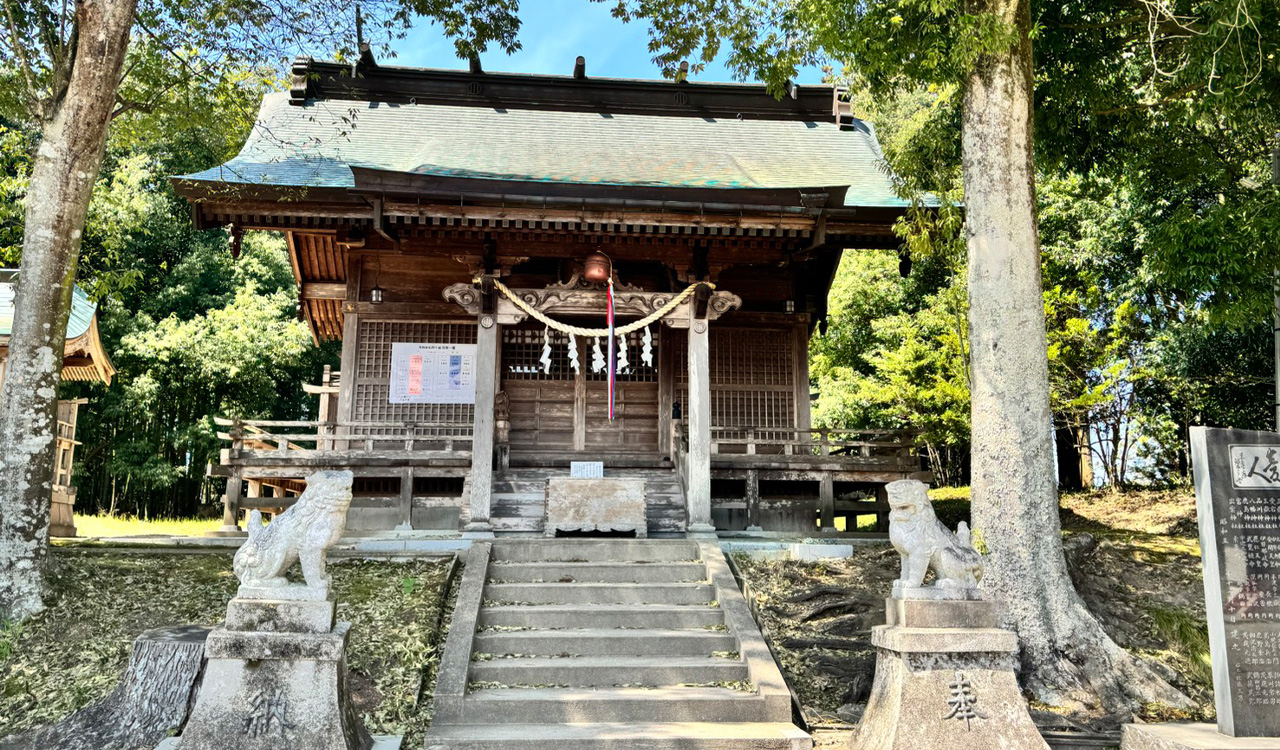
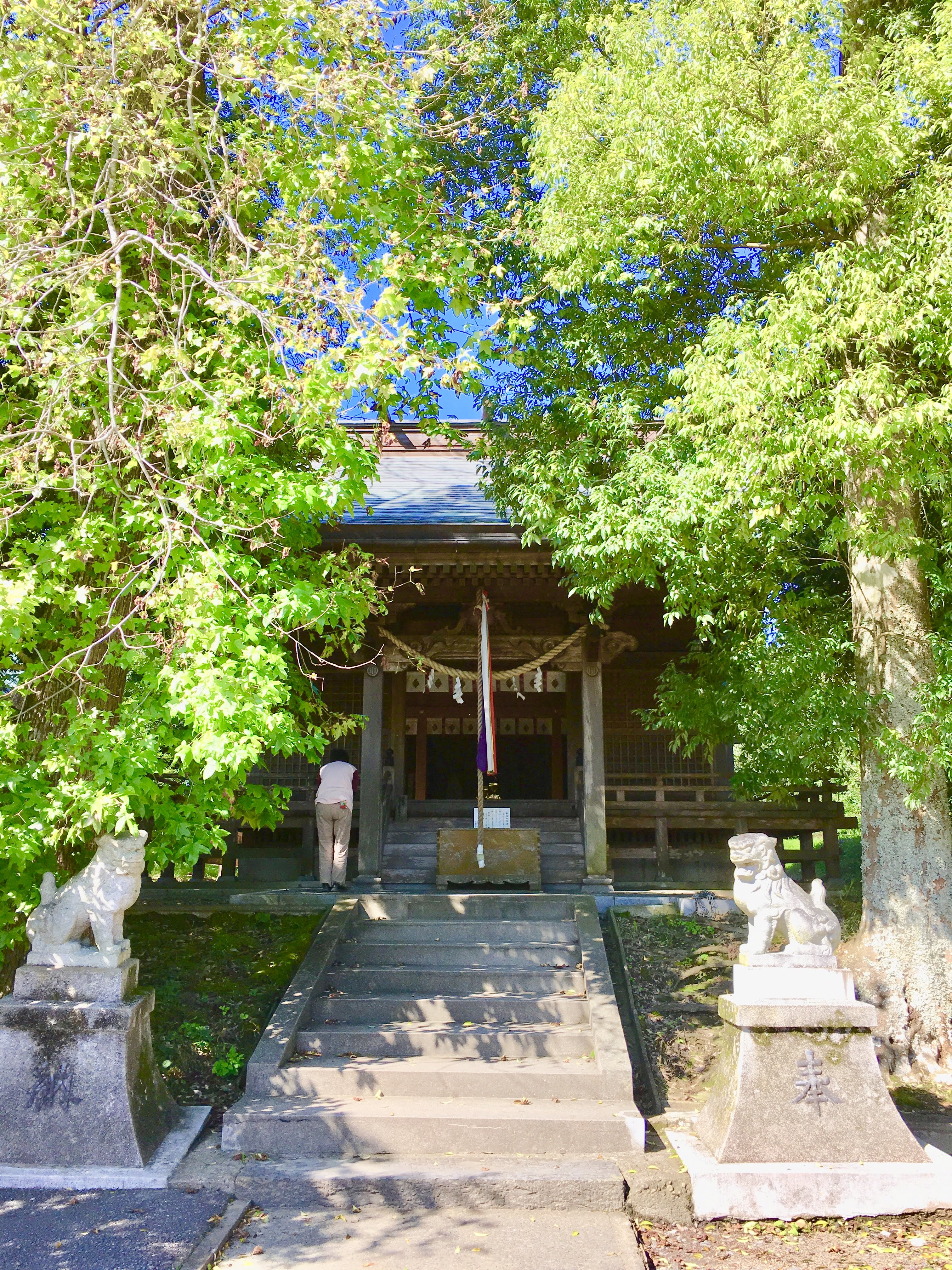
In 1775 (An'ei 4), a local survey record listed a "Kashima-sha" here, with a main hall facing east, a worship hall and a torii gate. Its festival day was the ninth day of the ninth month.
The shrine was then cared for by Kongō-in, a temple of yamabushi (mountain ascetics) of the Haguro school.
1909: 14 shrines become one
The village of Kashimadai was formed in 1889 (Meiji 22), when six villages merged. Each of the old villages had its own shrines.
In 1909 (Meiji 42), the mayor, Kamata Sannosuke, merged 14 shrines from the six villages on the grounds of the old Kashima Shrine. With the approval of the national government, the shrine was renamed Kashimadai Shrine. The 14 shrines brought together many different kami.
Among the merged shrines were shrines to Izumo, Suwa, Hachiman, Atago and Kashima. After the merger, people from the surrounding areas came to the festivals, and stalls lined the grounds. In 1910, the mayor opened a market on the occasion of the merger festival.
Buildings that came from other shrines
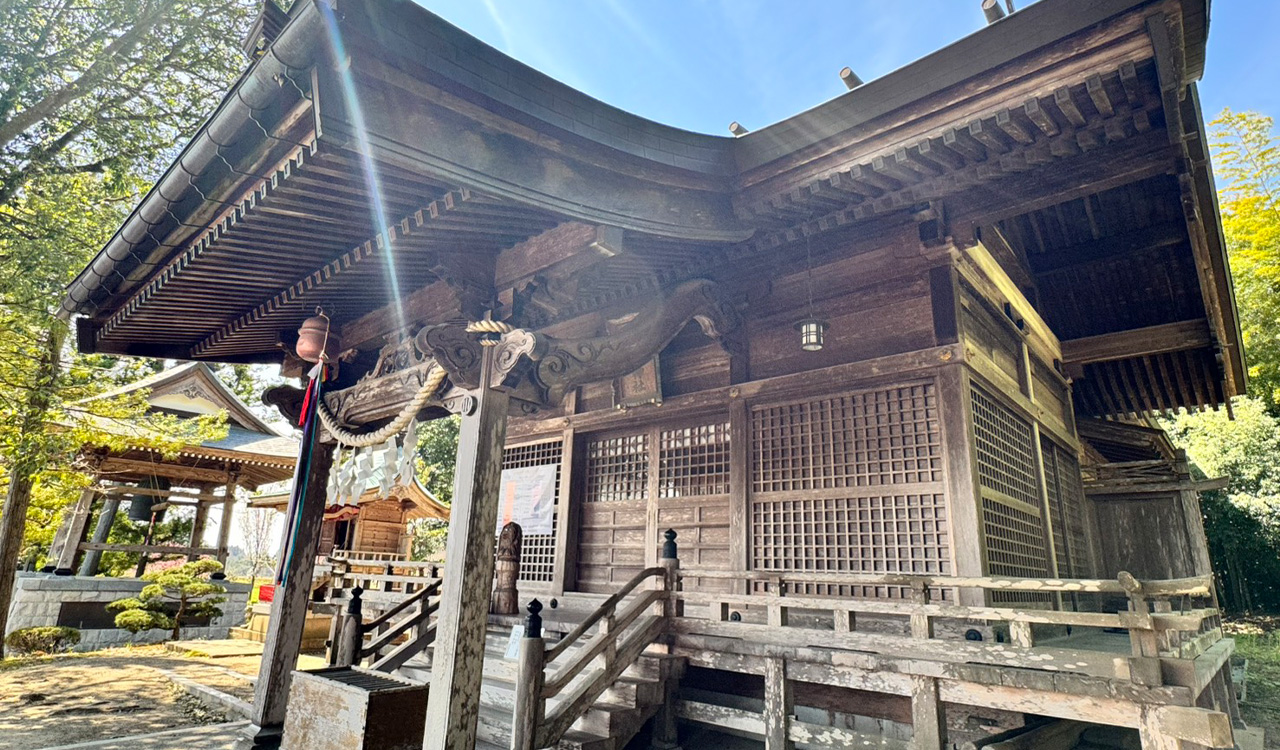
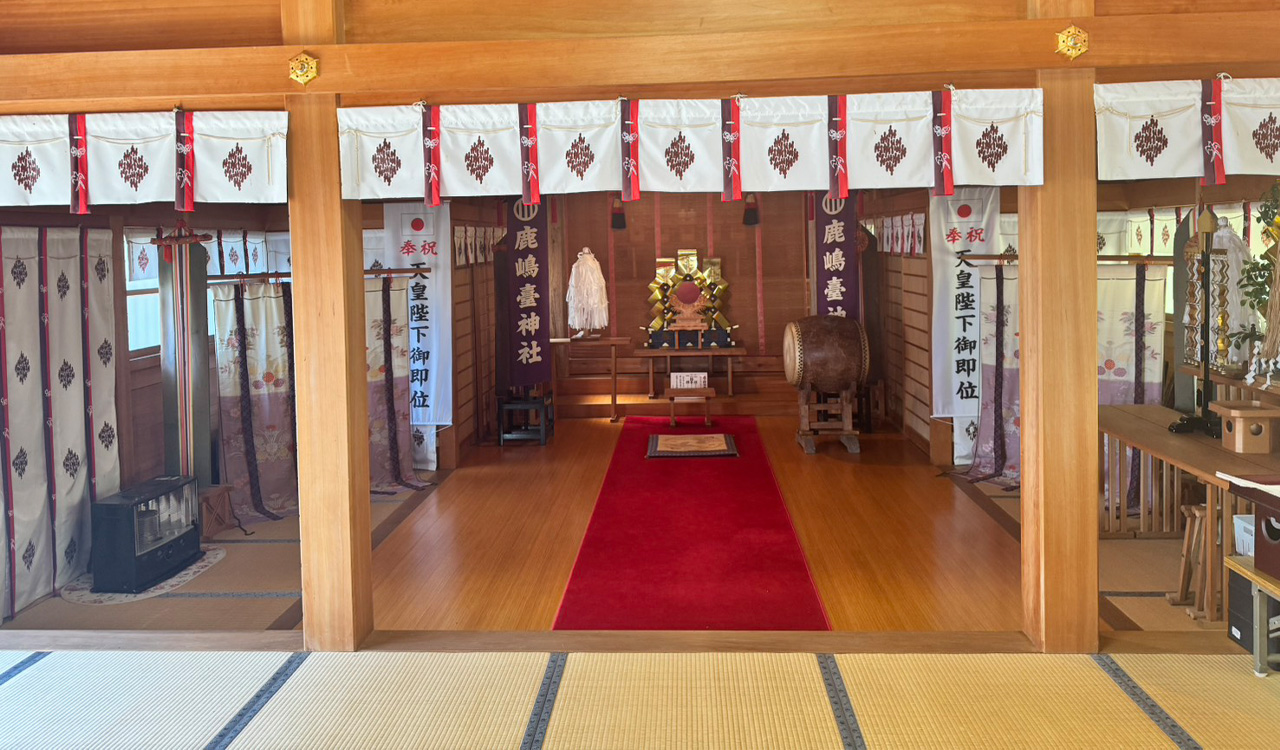
The buildings were gathered from the old shrines. The main hall (honden) was moved from the former Izumo Shrine in Funakoshi. The worship hall (haiden) was moved from the former Suwa Shrine.
The worship hall was rebuilt in October 1926 (Taishō 15). In November 1933 (Shōwa 8), the main hall's thatched roof was replaced with copper. Donations came from parishioners, from across Miyagi, and from as far as Higashiiwai District in Iwate.
The carvings of the main hall survive today. The offering hall (heiden) was rebuilt in 1996 (Heisei 8).
Stories handed down
According to shrine tradition, Minamoto no Yoriyoshi, a warrior of the Heian period, camped at Funakoshi on a campaign to the north. There he bowed toward Izumo Taisha, far to the west, and prayed for victory. On his way home, the tradition says, he had a sacred jewel enshrined there, and a shrine to the kami of Izumo was founded.
The jewel of the former Izumo Shrine came to Kashimadai Shrine in the merger.
The shrine today
The first chief priest after the merger, Okada, had served the former Izumo Shrine. The Okada family has served the shrine since then.
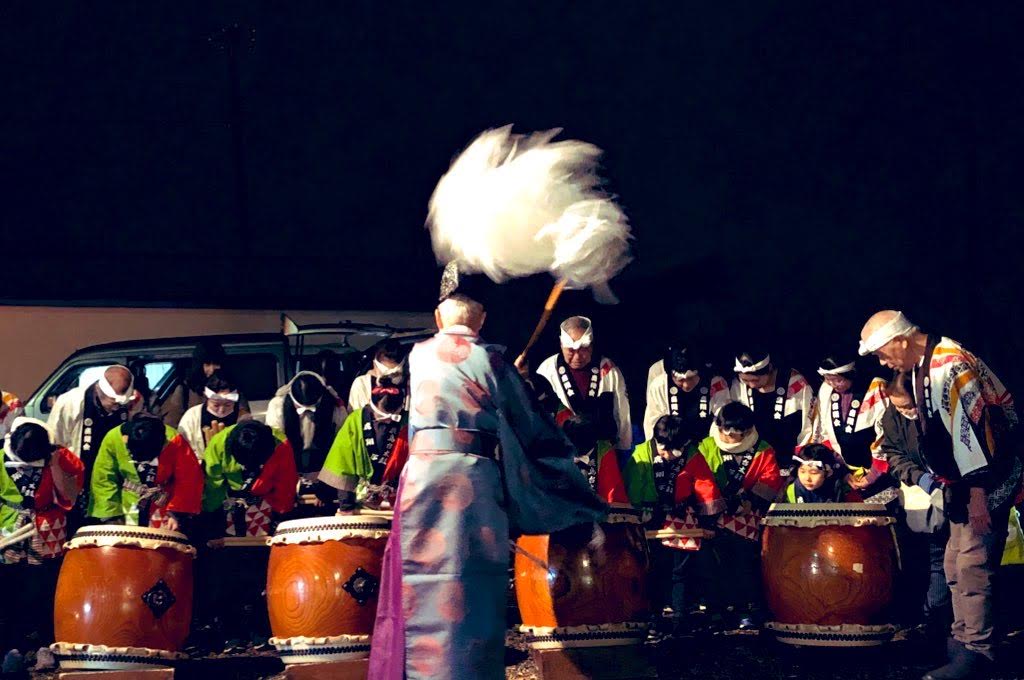
The main festivals are held in April and November. The shrine has a mikoshi (a portable shrine carried in festivals). Every January 14, old omamori (a Japanese amulet, prayed over at a shrine) are returned to the fire at Donto-sai.